
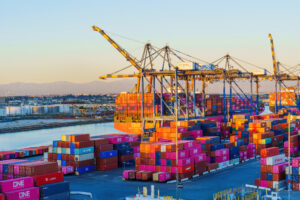
Few things are more frustrating for importers and exporters than seeing a container arrive at port… and then not move. A shipment stuck at the terminal can trigger costly demurrage fees, disrupt inventory planning, and create serious downstream supply chain problems.
At Baum Shipping, we help clients avoid unnecessary port delays by identifying issues early and coordinating proactive solutions. If your container is stuck at the port, here are the most common reasons why—and what you can do to fix them.
1. Missing or Incorrect Documentation
One of the leading causes of port delays is paperwork errors. Even small mistakes on a commercial invoice, packing list, or customs filing can trigger a shipment hold.
Common documentation issues include:
- Incorrect product descriptions
- Missing HS codes
- Mismatched consignee information
- Incomplete import security filings (ISF)
How to fix it:
Work with a freight forwarder that reviews documentation before vessel arrival. Baum Shipping conducts pre-arrival document checks to ensure customs entries are accurate and compliant, reducing the risk of clearance delays.
2. Customs Exams and Inspections
U.S. Customs and Border Protection (CBP) and partner government agencies regularly select shipments for examination. These inspections can range from paperwork reviews to full physical container exams.
While exams are sometimes random, others are triggered by:
- Commodity type
- Country of origin
- Compliance history
- Missing or inconsistent data
How to fix it:
If your shipment is flagged, quick coordination is critical. Baum Shipping manages communication between terminals, exam sites, and customs officials to help minimize inspection timelines and keep shipments moving.
3. Port Congestion and Terminal Backlogs
Major ports frequently experience congestion due to vessel bunching, labor shortages, equipment imbalances, and peak season surges. When terminals are overloaded, containers can sit longer than expected waiting for unloading or pickup appointments.
How to fix it:
Strategic port selection, flexible routing, and early appointment scheduling can make a major difference. Baum Shipping monitors congestion trends and adjusts logistics strategies to help clients avoid high-traffic bottlenecks whenever possible.
4. Unpaid Duties, Taxes, or Fees
A shipment cannot be released until all required duties, taxes, and terminal fees are paid. Delays often occur when payments are not arranged in advance or when there is confusion over billing responsibilities.
How to fix it:
Baum Shipping coordinates payment requirements before arrival so customs clearance can proceed without interruption. Pre-planning financial obligations prevents shipments from sitting idle due to administrative issues.
5. Carrier, Chassis, or Equipment Availability Issues
Even when a container is cleared, a lack of available chassis or trucking capacity can prevent pickup. Equipment shortages have become increasingly common across major ports.
How to fix it:
Baum Shipping works with a trusted network of carriers and logistics partners to secure transportation resources quickly. Having multiple carrier options reduces the risk of delays caused by equipment shortages.
6. Regulatory or Compliance Holds
Certain shipments require additional approval from government agencies such as the FDA, USDA, or EPA. These agencies may request extra documentation or perform inspections before releasing cargo.
How to fix it:
Proper compliance preparation is key. Baum Shipping helps clients understand regulatory requirements and prepares documentation ahead of arrival to reduce agency review time.
7. Lack of Shipment Visibility and Communication
Many delays are worsened by poor communication. Without real-time tracking and updates, shippers may not realize a problem exists until demurrage fees begin accumulating.
How to fix it:
Baum Shipping provides proactive shipment monitoring and status updates so clients can take action before delays become costly problems. Clear communication allows faster decision-making and faster resolutions.
How Baum Shipping Helps Prevent Port Delays
Preventing port delays requires more than reacting after a problem happens. Baum Shipping takes a proactive approach by:
- Reviewing documents before vessel arrival
- Monitoring port congestion and terminal conditions
- Coordinating customs clearance early
- Managing carrier and equipment scheduling
- Communicating shipment status in real time
This end-to-end oversight helps minimize dwell time, reduce unexpected fees, and keep supply chains moving smoothly.
Final Thoughts | Baum Shipping
If your container is stuck at the port, the cause is usually preventable with the right planning and logistics partner. Delays don’t just cost time—they cost money, inventory availability, and customer trust.
Working with an experienced freight forwarder like Baum Shipping ensures your shipments are handled with precision, compliance, and proactive coordination from origin to final delivery.
Need help clearing a delayed shipment or avoiding port congestion? Contact Baum Shipping today and let our logistics experts keep your cargo moving.