When a shipment arrives at port, many businesses assume the hardest part of the ocean freight process is over. The cargo has crossed the ocean, reached the terminal, and is closer to its final destination.
But the shipment is not finished yet.
After ocean freight arrives, cargo still needs to be released, picked up, transported, and delivered to the next location. This important step is known as port drayage. Without proper drayage coordination, containers can sit too long at the port, creating delays, storage issues, and added costs.
For businesses importing goods, understanding port drayage can help make the ocean freight process smoother from arrival to final delivery.
What Is Port Drayage?
Port drayage is the short-distance transportation of freight from a port or terminal to another location. This may include moving a container to a warehouse, rail yard, distribution center, bonded facility, or final delivery point.
Even though drayage is often a shorter leg of the shipping process, it is one of the most important. It connects ocean freight to the rest of the supply chain.
For example, a container may arrive at the Port of Los Angeles and need to be moved to a nearby warehouse for unloading. In another case, imported cargo may need to be transported under bond to a customs-controlled facility before it can be cleared.
Drayage helps bridge the gap between the port and wherever the cargo needs to go next.
Why Drayage Matters in Ocean Freight
Ocean freight does not end when a vessel reaches port. Once a container arrives, there are still multiple steps that must happen before the cargo is fully delivered.
The container may need to be unloaded from the vessel, processed by the terminal, reviewed for customs status, released for pickup, assigned to a drayage carrier, and transported to the next destination.
If any part of this process is delayed or poorly coordinated, the shipment can get stuck.
Good drayage planning helps businesses:
- Move containers out of the port efficiently
- Reduce unnecessary storage time
- Avoid missed pickup windows
- Coordinate customs-related movement
- Connect port arrival with warehouse or final delivery
- Keep inventory and business operations moving
For businesses relying on imported goods, drayage is not just a small transportation detail. It can affect the entire delivery timeline.
What Happens After Cargo Arrives at Port?
Once cargo arrives at port, several things typically need to happen before it can move inland.
First, the vessel is unloaded and the container is made available at the terminal. Then, the shipment must be properly released. This may involve carrier release, terminal availability, customs clearance, payment of applicable fees, and coordination with the drayage provider.
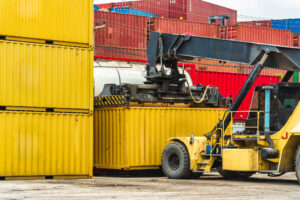
Once the container is ready for pickup, a drayage trucker retrieves it from the port and moves it to the assigned location. Depending on the shipment, this could be a warehouse, rail ramp, transload facility, distribution center, bonded warehouse, or final destination.
The more organized this process is, the less likely the shipment is to experience avoidable delays.
Customs Clearance and Shipment Release
Customs clearance is a major part of international freight movement. Imported goods must meet customs requirements before they can be released into the country.
In some cases, cargo may clear customs at or near the port. In other cases, it may need to move under bond to another approved location before final clearance.
This is where bonded drayage may be needed. Bonded drayage allows customs-controlled cargo to be transported between approved locations before duties, taxes, or full clearance requirements are completed.
Because bonded freight is still under customs control, it requires careful handling, documentation, and coordination. Working with an experienced freight forwarder can help make sure the shipment moves correctly and stays compliant.
Common Port Drayage Delays
Port drayage can be affected by several issues. Some delays are unavoidable, while others can be reduced with better planning.
Common causes of port drayage delays include:
- Incomplete or incorrect shipment documents
- Customs holds
- Terminal congestion
- Missed pickup appointments
- Carrier release delays
- Limited truck availability
- Port storage issues
- Warehouse scheduling problems
- Demurrage or detention concerns
- Poor communication between parties
Many businesses do not realize how many different groups may be involved after a container arrives. The steamship line, terminal, customs broker, freight forwarder, drayage carrier, warehouse, and importer may all need to stay aligned.
When communication breaks down, containers can sit longer than necessary.
What Are Demurrage and Detention Fees?
Two common cost concerns in port drayage are demurrage and detention.
Demurrage generally refers to fees charged when a container stays at the port or terminal beyond the allowed free time. Detention generally refers to fees charged when a container is kept outside the terminal longer than the allowed time before being returned.
These fees can add up quickly, especially if there are documentation problems, customs delays, appointment issues, or warehouse scheduling conflicts.
While not every delay can be prevented, better planning can help reduce the risk. Coordinating documents, customs status, pickup timing, and delivery availability before the container arrives can make a major difference.
How a Freight Forwarder Helps With Port Drayage
A freight forwarder helps manage the moving parts that come after ocean freight arrival. Instead of leaving the importer to coordinate everything alone, a freight forwarder can help organize the details needed to move cargo from the port to the next destination.
This may include:
- Reviewing shipment status
- Coordinating port pickup
- Communicating with customs brokers
- Arranging bonded drayage when needed
- Helping with import and export paperwork
- Coordinating warehouse or delivery timing
- Tracking movement from port to destination
- Helping reduce avoidable delays
This coordination is especially important for businesses that do not ship ocean freight regularly. Even experienced importers can benefit from support when shipments involve tight timelines, bonded cargo, multiple destinations, or special handling needs.
Why Choose Baum Shipping for Drayage Support?
Baum Shipping provides freight forwarding support for businesses and individuals moving cargo by ocean, air, and land. For ocean freight shipments, Baum can help coordinate key services such as port drayage transportation, customs clearance support, import and export paperwork, and bonded drayage when needed.
Baum Shipping also provides professional bonded drayage services for customs-controlled freight moving between ports, terminals, international borders, and approved facilities. This can be especially valuable for shipments that require secure movement before final customs clearance.
With decades of experience, Baum Shipping understands that ocean freight does not stop at the port. The final steps of the process matter just as much as the international journey.
Baum Shipping is also:
- FMC 3230
- NVOCC Bonded
- IATA Certified
- TSA Certified
These certifications reflect Baum’s ability to support a wide range of freight forwarding needs, including ocean freight, air freight, international shipping, bonded movement, and regulated transportation requirements.
Get Help With Port Drayage and Ocean Freight
Port drayage is a critical step in the ocean freight process. It helps move cargo from the port to the warehouse, rail yard, bonded facility, or final destination where it needs to go next.
When drayage is planned correctly, businesses can reduce delays, avoid unnecessary costs, and keep shipments moving. When it is overlooked, cargo can sit at the port longer than expected.
If your business is importing goods or preparing an ocean freight shipment, Baum Shipping can help coordinate the process from port arrival to final delivery.
Contact Baum Shipping today to learn more about ocean freight, bonded drayage, customs clearance support, and freight forwarding solutions designed to keep your cargo moving.