When businesses need to ship cargo overseas, ocean freight is often one of the most cost-effective options. But not every shipment is large enough to fill an entire shipping container. For many companies, especially small and mid-sized businesses, paying for a full container may not make sense.
That is where LCL shipping can be helpful.
LCL stands for “less than container load.” It allows multiple shippers to share space inside the same ocean freight container, making it a practical option for businesses that need to move smaller international shipments without paying for a full container.
If your business is preparing to ship products, equipment, inventory, or commercial goods overseas, understanding how LCL shipping works can help you choose the right ocean freight solution.
What Is LCL Shipping?
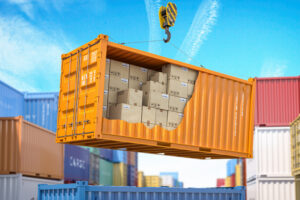
LCL shipping is an ocean freight option used when a shipment does not take up an entire container. Instead of reserving a full container for one shipper, cargo from multiple businesses is consolidated into one shared container.
Each shipper pays for the portion of container space their cargo uses.
For example, if your business needs to ship several pallets overseas but does not have enough freight to fill a 20-foot or 40-foot container, LCL shipping may be a more efficient option. Your cargo is grouped with other shipments headed in the same general direction, then moved together by ocean freight.
Once the container reaches its destination, the cargo is separated and routed for final delivery.
How Does LCL Shipping Work?
LCL shipping involves several steps, and each one requires coordination.
First, your cargo is picked up or delivered to a consolidation facility. From there, it is grouped with other compatible shipments going to the same destination region. The consolidated cargo is then loaded into an ocean container and transported to the port.
After the container is shipped overseas and arrives at the destination port, it is unloaded at a deconsolidation facility. Each shipment is separated, cleared through customs, and moved toward its final destination.
The basic LCL process may include:
- Cargo pickup or drop-off
- Freight measurement and weighing
- Export documentation
- Consolidation with other shipments
- Ocean freight transportation
- Arrival at destination port
- Deconsolidation
- Customs clearance
- Final delivery coordination
Because multiple shipments are moving together, LCL requires careful documentation, labeling, scheduling, and communication. This is one reason working with an experienced freight forwarder can be especially valuable.
LCL vs. FCL: What Is the Difference?
The main difference between LCL and FCL is whether your business is using part of a container or the entire container.
LCL stands for less than container load. Your cargo shares container space with shipments from other businesses.
FCL stands for full container load. Your business reserves the entire container, even if it is not completely full.
LCL may be a better choice when you have a smaller shipment and want to avoid paying for unused container space. FCL may be a better choice when you have enough cargo to fill most or all of a container, need more control over handling, or want a more direct container movement.
Both options can be useful depending on your shipment size, timeline, budget, cargo type, and destination.
When Should Your Business Use LCL Shipping?
LCL shipping can be a smart choice in several situations.
When You Do Not Have Enough Cargo for a Full Container
The most common reason to use LCL shipping is simple: your shipment is not large enough for a full container.
If your cargo only takes up a few pallets or a smaller amount of space, LCL allows you to pay for the space you need instead of the entire container.
This can be especially helpful for small businesses, growing companies, startups, and businesses testing a new international market.
When You Want a More Cost-Effective Ocean Freight Option
Ocean freight is often chosen for cost savings, and LCL can make ocean shipping even more accessible for smaller loads.
Instead of waiting until you have enough inventory to fill a full container, LCL allows you to ship smaller quantities as needed. This may help improve cash flow, reduce storage needs, and keep inventory moving.
For businesses that do not ship massive volumes, LCL can offer a practical balance between cost and access to international freight service.
When You Are Shipping Inventory in Smaller Batches
Some businesses do not want or need to move a large volume of inventory all at once. Instead, they may prefer smaller, more frequent shipments.
LCL shipping can support this approach by allowing businesses to send partial loads overseas without waiting to build up a full container.
This can be useful for ecommerce companies, retailers, manufacturers, distributors, and businesses managing seasonal inventory.
When You Are Testing a New International Market
Expanding into a new country can be exciting, but it also comes with uncertainty. A business may not want to commit to a full container of product before understanding demand in the new market.
LCL shipping allows companies to send smaller test shipments internationally. This can help businesses evaluate demand, manage risk, and learn the logistics process before scaling up.
When Your Cargo Is Not Extremely Time-Sensitive
LCL shipping can be cost-effective, but it may not always be the fastest option. Because cargo must be consolidated before departure and deconsolidated after arrival, LCL shipments may involve more handling and coordination than FCL shipments.
If your cargo is extremely urgent, air freight may be a better fit. If your cargo is not as time-sensitive and cost is a priority, LCL ocean freight may be a strong option.
Advantages of LCL Shipping
LCL shipping offers several benefits for businesses that need international ocean freight without a full container.
Lower Cost for Smaller Shipments
One of the biggest advantages of LCL shipping is that businesses only pay for the space their cargo uses. This can make international ocean freight more affordable for smaller shipments.
Instead of paying for unused container space, your business can ship what it needs when it needs to.
More Flexibility
LCL shipping gives businesses flexibility to move smaller amounts of cargo more often. This can help companies avoid waiting until they have enough freight to fill a full container.
For businesses managing changing inventory needs, seasonal demand, or smaller production runs, that flexibility can be valuable.
Easier Access to International Shipping
For businesses new to importing or exporting, LCL can make international shipping feel more accessible. You do not need to commit to a large shipment right away.
This can be especially helpful for companies taking their first step into global trade.
Better Inventory Control
LCL shipping can help businesses avoid overordering or overstocking just to fill a container. Instead, companies can ship smaller batches based on actual demand.
This may reduce storage costs and help keep inventory more manageable.
Things to Consider Before Choosing LCL Shipping
While LCL can be a great option, it is not the right choice for every shipment. Businesses should understand the tradeoffs before deciding.
More Handling
Because LCL shipments are consolidated and deconsolidated, cargo may be handled more often than it would be in a full container shipment. More handling can increase the importance of proper packaging, labeling, and cargo preparation.
Fragile, sensitive, or high-value cargo may need extra protection.
Potentially Longer Transit Time
LCL shipments can take longer than FCL shipments because they involve additional steps. Cargo must be grouped with other shipments before departure and separated after arrival.
The total transit time can depend on origin, destination, sailing schedules, customs, and consolidation timelines.
Pricing Can Depend on Size and Volume
LCL pricing is often based on volume, weight, or both. Accurate cargo measurements are important because incorrect dimensions or weight can affect pricing and planning.
Before booking an LCL shipment, businesses should have clear information about cargo size, weight, packaging, and value.
Not Ideal for Every Type of Cargo
Some cargo may not be suitable for LCL shipping. Oversized freight, hazardous materials, extremely fragile goods, high-security cargo, or items requiring special handling may need a different shipping solution.
A freight forwarder can help determine whether LCL is the right fit based on the cargo and destination.
Why Documentation Matters for LCL Shipping
International shipping requires accurate documentation, and LCL is no exception.
Common documents may include a commercial invoice, packing list, bill of lading, certificate of origin, and any required export or import documents. Depending on the cargo and destination, additional forms or permits may be needed.
Because LCL shipments involve multiple shippers in one container, accuracy is especially important. Incorrect documentation can create delays, customs issues, or added costs.
A freight forwarder can help make sure the right information is gathered before the shipment moves.
How to Prepare Cargo for LCL Shipping
Proper preparation can make a big difference in how smoothly an LCL shipment moves.
Before shipping, businesses should:
- Use strong packaging or crating
- Clearly label each package or pallet
- Provide accurate dimensions and weight
- Confirm the cargo description and value
- Prepare required documents early
- Ask about customs requirements
- Consider cargo insurance
- Work with an experienced freight forwarder
Since LCL cargo may be handled at multiple points, packaging should be strong enough to protect the goods during loading, unloading, consolidation, ocean transit, and final delivery.
How a Freight Forwarder Helps With LCL Shipping
LCL shipping may sound simple, but it involves multiple moving parts. A freight forwarder helps coordinate those details so businesses do not have to manage the process alone.
A freight forwarder can help with:
- Choosing between LCL and FCL
- Reviewing cargo details
- Coordinating pickup or delivery to the consolidation facility
- Preparing shipping documents
- Booking ocean freight
- Communicating with carriers and partners
- Supporting customs preparation
- Tracking shipment progress
- Coordinating destination handling or final delivery
For businesses that are new to international shipping, this guidance can help prevent confusion and reduce the risk of avoidable delays.
Why Choose Baum Shipping for LCL Freight?
Baum Shipping helps businesses and individuals coordinate domestic and international freight by air, ocean, and land. For companies shipping smaller loads overseas, Baum can help determine whether LCL shipping is the right option based on cargo size, destination, timeline, and budget.
With decades of experience in freight forwarding, Baum Shipping understands that each shipment has different requirements. Some cargo may be best suited for LCL ocean freight, while other shipments may require FCL, air freight, ground transportation, special handling, or a combination of services.
Baum Shipping can help clients compare options and create a logistics plan that makes sense for their shipment.
Baum Shipping is also:
- FMC 3230
- NVOCC Bonded
- IATA Certified
- TSA Certified
These certifications reflect Baum’s ability to support a wide range of freight forwarding needs, including ocean freight, air freight, international cargo, and regulated transportation requirements.
Is LCL Shipping Right for Your Business?
LCL shipping may be a strong fit if your business needs to ship cargo overseas but does not have enough freight to fill an entire container. It can be cost-effective, flexible, and helpful for smaller international shipments.
However, it is important to consider cargo type, handling needs, timing, documentation, and destination requirements before choosing LCL.
The best shipping method depends on your business goals and shipment details. An experienced freight forwarder can help you decide whether LCL, FCL, air freight, or another solution is the right fit.
Contact Baum Shipping for LCL Ocean Freight Support
If your business is preparing to ship a smaller load overseas, Baum Shipping can help you understand your options and coordinate the logistics from start to finish.
From LCL ocean freight to full container shipping, air freight, ground transportation, customs preparation, and specialty cargo support, Baum Shipping provides the experience needed to keep freight moving.
Contact Baum Shipping today to learn more about LCL shipping and how the right freight forwarding partner can help your business ship internationally with confidence.