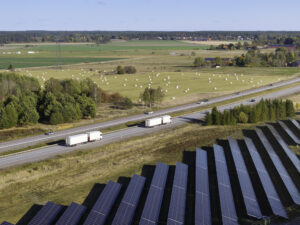
As solar energy adoption accelerates across the United States, the demand for reliable transportation of solar panels and related equipment has grown just as quickly. From utility-scale farms to commercial installations and residential developments, these shipments require far more than standard freight handling. Solar panels are fragile, high-value, and logistically complex — making specialized ground freight coordination essential for protecting investments and keeping projects on schedule.
Successfully trucking solar panels coast to coast involves careful planning, protective handling, regulatory compliance, and experienced logistics oversight. Here’s how the process works, and why working with a knowledgeable freight partner makes all the difference.
Why Solar Panels Are Considered Specialty Freight
Unlike general commodities, photovoltaic (PV) modules and associated components present unique transportation challenges:
- Fragility — Glass surfaces and sensitive electrical components are susceptible to vibration, compression, and impact damage
- High Value — Large shipments can represent hundreds of thousands of dollars in equipment
- Strict Packaging Requirements — Panels are typically palletized and crated in manufacturer-specific configurations
- Dimensional Sensitivity — Unusual pallet sizes or mixed loads can require tailored trailer configurations
- Project Timelines — Installation schedules often depend on just-in-time delivery
Because of these factors, solar panels require handling by carriers experienced with specialty freight — not just standard trucking operations.
Step-by-Step: The Ground Freight Process for Solar Panel Shipments
1. Planning and Shipment Assessment
The process begins with a detailed logistics evaluation that includes:
- Shipment size, weight, and pallet dimensions
- Packaging specifications
- Pickup and delivery locations
- Required transit timeline
- Risk considerations
At this stage, logistics coordinators determine the optimal mode — typically full truckload (FTL) or dedicated equipment — to minimize handling and reduce damage risk.
2. Equipment Selection
Choosing the right trailer is critical to cargo protection:
- Dry Vans — Most common for palletized solar panels
- Air-Ride Suspension Trailers — Reduce vibration during transport
- Temperature-controlled options — Used when climate sensitivity is a concern
- Flatbeds with secure crating — For oversized or specialty components
Proper load securement planning ensures panels remain stable throughout transit.
3. Protective Loading and Securement
Handling procedures are designed to preserve packaging integrity:
- Careful forklift placement
- Even weight distribution
- Protective padding or bracing
- Load bars and straps to prevent movement
Minimizing rehandling is key — fewer touchpoints mean fewer opportunities for damage.
4. Transit Coordination and Tracking
Once in motion, active shipment management ensures visibility and reliability:
- Real-time tracking and milestone updates
- Route optimization for safety and efficiency
- Weather and traffic monitoring
- Proactive issue resolution
Professional logistics oversight keeps installations on schedule and customers informed.
5. Delivery and Site Coordination
Solar shipments often arrive at job sites rather than traditional docks, requiring:
- Appointment scheduling
- Delivery window coordination
- Liftgate or specialized unloading support if needed
- Communication with on-site crews
Proper planning avoids costly project delays or storage complications.
Risk Management and Compliance Considerations
Solar panel freight must adhere to transportation best practices and regulatory standards, including:
- DOT compliance
- Weight and securement regulations
- Insurance coverage suited to high-value cargo
- Documentation accuracy
Experienced freight partners ensure these requirements are handled seamlessly.
Why Experience Matters in Solar Logistics
The rapid growth of renewable energy infrastructure has attracted many transportation providers — but not all possess the operational expertise required for solar shipments. A qualified logistics partner offers:
- Carrier vetting for specialty handling
- Equipment matching and routing optimization
- Cargo protection strategies
- Shipment visibility and communication
- Contingency planning
These capabilities reduce risk, control costs, and safeguard project timelines.
Power Your Solar Shipments with Baum Shipping
Whether transporting solar panels across a single state or coordinating coast-to-coast deliveries, having the right logistics partner ensures your cargo arrives safely and on schedule. Baum Shipping manages specialized ground freight shipments nationwide — including dedicated support for moving solar panels from California to Sparks, Nevada, Hagerstown, Maryland, or virtually anywhere across the United States.
If your renewable energy project requires reliable transportation, reach out to Baum Shipping to discuss your shipment needs and discover how experienced logistics coordination can keep your operation moving forward.