
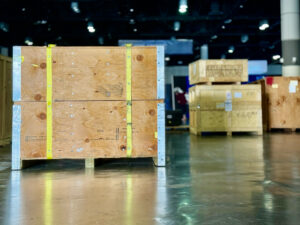
 Preparing for a trade show involves countless moving parts. From designing an eye-catching booth to organizing promotional materials and coordinating staff, exhibitors have plenty to accomplish before the event begins. However, one of the most important details is making sure everything arrives at the venue safely and on time.
For businesses exhibiting in Los Angeles, trade show shipping requires careful planning. Convention centers operate on strict schedules, transportation providers must navigate delivery restrictions, and expensive displays often require specialized handling.
Whether you’re attending your first exhibition or coordinating a nationwide event schedule, this logistics checklist will help you prepare for a successful trade show.
1. Start Planning Your Trade Show Shipping Early
Successful trade show logistics begin long before your exhibit materials leave the warehouse.
Every event has specific requirements regarding freight deliveries, move-in schedules, equipment handling, and exhibitor access. Before booking transportation, obtain the event’s official exhibitor services manual.
This document typically outlines important shipping deadlines, approved delivery locations, material handling procedures, and additional venue requirements.
Establish a transportation schedule that accounts for packing, transit times, potential delays, and booth installation. Building additional time into your schedule is particularly important when transporting large exhibits or shipping internationally.
Coordinating these details early helps prevent expensive last-minute transportation arrangements and ensures your exhibit materials arrive within the designated delivery window.
2. Choose Between Advance Warehouse and Direct-to-Show Shipping
Exhibitors generally have two options when shipping materials to a trade show: advance warehouse delivery or direct-to-show shipping.
Advance warehouse shipping allows exhibitors to send their materials to a designated receiving facility before the event. The show’s official logistics contractor then coordinates transportation to the convention center according to the exhibitor’s move-in schedule.
Direct-to-show shipping involves delivering freight directly to the event venue during its designated receiving period.
Both options have advantages. Advance warehouse shipping offers additional scheduling flexibility, while direct delivery may be appropriate for large equipment or shipments that require specific handling arrangements.
However, delivery windows, receiving restrictions, and material handling fees vary by event. Always review your exhibitor manual before choosing your shipping method.
3. Protect Your Exhibit Materials During Transportation
Trade show exhibits often include expensive displays, lighting equipment, electronics, furniture, and fragile promotional materials.
Proper packaging helps protect these investments throughout transportation, loading, unloading, and storage.
Consider using custom crates for oversized displays, protective cushioning for delicate equipment, and clearly labeled containers for smaller materials.
Create a detailed inventory of everything being shipped, including individual package counts, dimensions, and weights. Photographing valuable equipment before shipment can also provide useful documentation if damage occurs.
When shipping internationally, ensure that your packaging complies with applicable import regulations and that all necessary customs documentation is prepared.
Working with an experienced freight forwarder can help you develop appropriate packaging and transportation arrangements for specialized exhibits.
4. Understand Convention Center Delivery Requirements
Los Angeles hosts major exhibitions at venues such as the Los Angeles Convention Center, where freight transportation requires coordination with event organizers and designated service contractors.
Exhibitors should confirm loading dock access, truck arrival procedures, delivery appointments, and material handling arrangements before scheduling transportation.
It’s also important to understand the difference between freight shipping and material handling.
Freight shipping transports your exhibit materials to the venue or advance warehouse. Material handling generally covers receiving freight, transporting it to your booth, storing empty containers, and preparing materials for outbound shipping.
These are separate services and may involve different charges.
Understanding these requirements helps exhibitors establish accurate transportation budgets and avoid unexpected expenses during event setup.
5. Prepare for Post-Event Return Shipping
Your logistics responsibilities don’t end when the trade show closes.
After an event, exhibitors must dismantle displays, repack equipment, coordinate outbound freight, and ensure everything reaches its next destination.
Arrange return transportation before the exhibition begins. Confirm the venue’s move-out schedule, required shipping documents, carrier pickup procedures, and deadlines for removing freight.
Clearly label every outgoing container and account for all exhibit materials before releasing them to your transportation provider.
If you’re participating in multiple trade shows, consider transporting materials directly to your next event or arranging temporary storage between exhibitions.
Coordinating post-event shipping in advance can reduce unnecessary storage expenses, missed pickups, and delays that interfere with future events.
6. Partner With an Experienced Trade Show Freight Forwarder
Managing trade show transportation involves coordinating multiple parties, tight deadlines, and specialized equipment.
An experienced logistics provider can help organize carrier scheduling, transportation routes, delivery appointments, and return shipments while keeping your team informed throughout the process.
For companies attending several exhibitions throughout the year, centralized logistics coordination can also simplify equipment storage, inventory management, and transportation between venues.
Choosing a freight forwarder familiar with time-sensitive shipments allows exhibitors to concentrate on connecting with potential customers rather than troubleshooting transportation problems.
Make Your Next Los Angeles Trade Show a Success With Baum Shipping
A successful exhibition starts with getting your materials to the right place at the right time.
Baum Shipping provides specialized hospitality and trade show logistics services for businesses participating in conventions, conferences, corporate events, and exhibitions.
From pre-event transportation planning and delivery coordination to secure equipment handling and post-event return shipping, our team helps businesses navigate the complexities of event logistics.
Whether you’re exhibiting in Los Angeles or coordinating a multi-city promotional tour, we’re here to help keep your shipments moving.
Contact Baum Shipping today to discuss your upcoming exhibition and discover customized trade show transportation solutions.