Shipping hazardous materials involves far more than placing a warning label on a package. Every shipment must be properly identified, prepared, documented, and routed according to regulations designed to protect employees, carriers, communities, property, and the environment.
For businesses, the challenge is that hazardous materials are not always obvious. Industrial chemicals and fuel may immediately come to mind, but everyday products such as lithium batteries, aerosols, paints, cleaning supplies, perfumes, adhesives, and compressed gas cylinders may also be regulated during transportation.
Understanding the requirements before the shipment leaves your facility can help prevent delays, rejected freight, compliance violations, and serious safety incidents.
What Qualifies as a Hazardous Material?
A hazardous material, sometimes called hazmat or dangerous goods, is generally a substance or material capable of creating an unreasonable risk to health, safety, or property while being transported.
Hazardous materials are organized into nine primary hazard classes:
- Explosives
- Gases
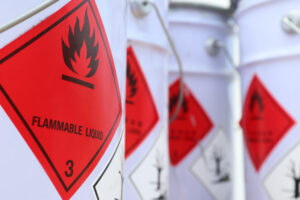
- Flammable liquids
- Flammable solids
- Oxidizers and organic peroxides
- Toxic and infectious substances
- Radioactive materials
- Corrosive materials
- Miscellaneous dangerous goods
A product does not need to look especially dangerous to fall into one of these classifications. A battery-powered device, aerosol product, cosmetic, or piece of equipment containing fuel may require special handling depending on its components, condition, quantity, packaging, and transportation method.
The Safety Data Sheet provided by a product’s manufacturer can be a useful starting point for identifying potential transportation hazards. However, businesses must still verify that the classification applies to the exact product and shipment being prepared.
Proper Classification Comes First
Accurate classification affects nearly every other part of hazardous materials shipping. It helps determine the proper shipping name, identification number, hazard class, packing group, permitted quantity, required packaging, labels, markings, and documentation.
Incorrectly classifying a product can lead to the wrong packaging or carrier being selected. It can also prevent transportation personnel from understanding how the cargo should be handled, stored, separated, or managed during an emergency.
This is particularly important when products have been modified, damaged, combined with other materials, or prepared in a different concentration. Businesses should never assume that a previous classification automatically applies to a new shipment.
Packaging Must Match the Material
Hazmat packaging is designed to reduce the possibility of leaks, spills, breakage, contamination, fire, or exposure during normal transportation conditions.
The correct packaging depends on factors such as:
- The type of hazardous material
- Its physical state and concentration
- The quantity being shipped
- Its assigned packing group
- The selected transportation method
- Domestic and international regulations
- Individual carrier requirements
Certain shipments may require tested and certified UN-specification packaging. When this packaging is required, the manufacturer’s closure instructions must be followed carefully. Changing the approved tape, inner packaging, closures, absorbent materials, or assembly process can compromise the package and create a compliance issue.
Businesses should also account for how cargo may react to temperature changes, vibration, pressure, moisture, impact, or prolonged transportation. Proper preparation is about protecting both the material inside the package and everyone who may encounter it throughout the supply chain.
Labels, Markings, and Documents Communicate Risk
Hazard communication allows carriers, warehouse teams, inspectors, emergency responders, and other transportation professionals to recognize what a shipment contains.
Depending on the material and transportation method, a hazardous materials shipment may require:
- Hazard class labels
- Handling labels
- Proper shipping names
- UN or identification numbers
- Shipper and consignee information
- Package orientation markings
- Placards for vehicles or containers
- Shipping papers or declarations
- Emergency response information
- Customs and import or export documentation
A dangerous goods shipment is considered undeclared when the hazardous material has not been properly identified through the required documents, markings, labels, or other hazard communication.
Undeclared cargo creates a serious risk because carriers may unknowingly load, store, or transport the material under unsafe conditions. The Federal Aviation Administration notes that a lack of knowledge or misunderstanding of shipping requirements is a common reason hazardous materials go undeclared.
Transportation Mode Changes the Requirements
A shipment that is acceptable for ground transportation may face additional restrictions when moving by air or ocean.
Air transportation often has stricter quantity, packaging, labeling, and documentation requirements because of pressure changes, limited emergency response options, and the potential severity of an in-flight incident. Air carriers may also establish additional limitations or refuse certain materials even when transportation regulations otherwise allow them.
Ocean shipments are governed by maritime dangerous goods requirements addressing packaging, container loading, documentation, stowage, and the separation of incompatible substances. The International Maritime Dangerous Goods Code helps harmonize these requirements while supporting vessel safety and environmental protection.
Even expedited ground shipments require close attention. Overnight or express freight may travel by aircraft during part of its journey, which means air shipping requirements could apply.
Common Hazmat Shipping Mistakes
Many hazardous materials problems begin before the carrier ever receives the freight. Common mistakes include:
- Assuming a familiar consumer product is not regulated
- Using an outdated Safety Data Sheet
- Selecting packaging without checking material compatibility
- Failing to follow package closure instructions
- Applying incomplete or incorrect labels
- Entering the wrong shipping name or identification number
- Omitting emergency response information
- Choosing a carrier that cannot handle the material
- Failing to account for international or destination-country requirements
- Treating air, ground, and ocean regulations as interchangeable
These errors can result in rejected freight, customs problems, repackaging expenses, missed delivery schedules, fines, damaged cargo, or safety incidents.
Why Businesses Use a Hazmat Freight Forwarder
Hazardous materials shipping often involves several parties, including manufacturers, packaging providers, carriers, warehouse operators, customs representatives, and overseas agents. Coordinating those parties becomes even more complicated when a shipment crosses borders or changes transportation modes.
An experienced hazmat freight forwarder can help businesses evaluate transportation options, coordinate approved carriers, review packaging and labeling requirements, manage documentation, monitor the shipment, and respond quickly when conditions change.
Baum Shipping provides end-to-end hazardous materials transportation support for domestic and international cargo. Its services include packaging and labeling guidance, safety documentation preparation, carrier and route selection, permit and licensing coordination, customs documentation management, real-time tracking, and emergency response coordination.
Ship Hazardous Materials with Confidence
Hazardous materials shipping should never rely on guesswork. Proper classification, compliant packaging, accurate hazard communication, and careful carrier selection are essential for keeping regulated cargo moving safely.
Since 1984, Baum Shipping has helped businesses coordinate complex freight throughout domestic and international markets. With experience across air, ground, and ocean transportation, its team can develop a shipping solution based on the material, destination, timeline, and applicable regulatory requirements.
Contact Baum Shipping today to speak with a hazardous materials shipping specialist and request a customized freight quote.