
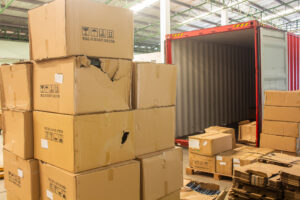
When freight arrives damaged, every minute matters. The actions you take in the first 24 hours can determine whether your claim is approved, delayed, or denied altogether. Unfortunately, many shippers lose thousands of dollars simply because they don’t follow the proper steps immediately after delivery.
At Baum Shipping, we help clients protect their cargo investment by guiding them through the claims process and preventing common mistakes. Here’s exactly what you should do within the first 24 hours if your freight arrives damaged.
Step 1: Inspect the Shipment Immediately Upon Delivery
Always inspect freight before signing the delivery receipt. Even if damage isn’t obvious, look closely for signs such as:
- Crushed or torn cartons
- Broken pallets
- Wet packaging or moisture stains
- Punctures or dents
- Broken seals or loose straps
If damage is visible, note it clearly on the delivery receipt. Avoid using vague language like “subject to inspection.” Instead, describe the issue (for example: “Two cartons crushed on corner”).
Baum Shipping Tip: Our team trains customers on proper receiving procedures to ensure documentation supports successful claims.
Step 2: Document Everything Thoroughly
Strong documentation is the foundation of a successful freight damage claim. As soon as damage is discovered, gather the following:
- Clear photos of damaged goods
- Photos of exterior packaging
- Images of container or trailer condition
- Close-ups of labels and tracking numbers
- Timestamped delivery records
Take photos from multiple angles and do not edit or crop them. The more detail provided, the stronger your claim becomes.
Baum Shipping Tip: We provide documentation checklists to help clients submit complete and accurate claim packages.
Step 3: Notify the Carrier and Your Freight Forwarder Immediately
Do not wait days to report damage. Most carriers have strict notification windows, and delays can result in automatic claim denial.
Once damage is identified:
- Notify the delivering carrier
- Contact your freight forwarder
- Request inspection appointments if required
Baum Shipping Advantage: Our team contacts carriers directly on behalf of clients, accelerating response times and ensuring claims are handled correctly from the start.
Step 4: Preserve Damaged Goods and Packaging
Never throw away damaged freight or packaging until the claim is fully resolved. Carriers often request physical inspections or additional evidence.
Keep:
- Original boxes and pallets
- Internal packing materials
- Damaged merchandise
- Shipping labels and seals
Moving or discarding evidence can severely weaken your claim.
Baum Shipping Tip: We advise clients on proper storage practices while claims are under review.
Step 5: File the Freight Damage Claim Properly
Submitting a claim involves more than just sending photos. Most carriers require:
- Commercial invoice
- Bill of lading
- Delivery receipt with damage notation
- Photos and inspection reports
- Proof of cargo value
Incorrect or incomplete submissions often cause long processing delays or denials.
Baum Shipping Support: Our logistics specialists assist customers with claim paperwork and carrier communication to improve approval success rates.
Step 6: Understand Carrier Liability and Coverage Limits
Not all freight damage is covered the same way. Carrier liability depends on:
- Transportation mode (ocean, air, truck, rail)
- Contract terms
- Declared value
- Cargo type
Many shippers assume full reimbursement is guaranteed — but liability limits may be much lower than expected.
Baum Shipping Guidance: We help clients understand liability exposure and recommend cargo insurance solutions to protect high-value shipments.
Step 7: Prevent Future Freight Damage
While claims help recover losses, prevention is always better. Baum Shipping works with customers to reduce risk through:
- Proper packaging recommendations
- Carrier selection based on performance history
- Route planning to reduce handling
- Secure container loading practices
A proactive logistics strategy can significantly lower damage rates over time.
Why Working With Baum Shipping Makes a Difference
Freight damage doesn’t end when the shipment arrives — it continues until the claim is resolved. Baum Shipping provides end-to-end support by:
- Advising on proper receiving procedures
- Coordinating carrier communication
- Assisting with claim documentation
- Reducing risk through smart logistics planning
Our goal is to protect your cargo, your budget, and your supply chain reliability.
Contact Baum Shipping Today
The first 24 hours after freight damage occurs are critical. Acting quickly, documenting thoroughly, and working with an experienced freight forwarder can mean the difference between a successful claim and a costly loss.
If you want expert support navigating freight damage claims and protecting future shipments, Baum Shipping is here to help every step of the way.
Contact Baum Shipping today to protect your cargo and strengthen your logistics strategy.