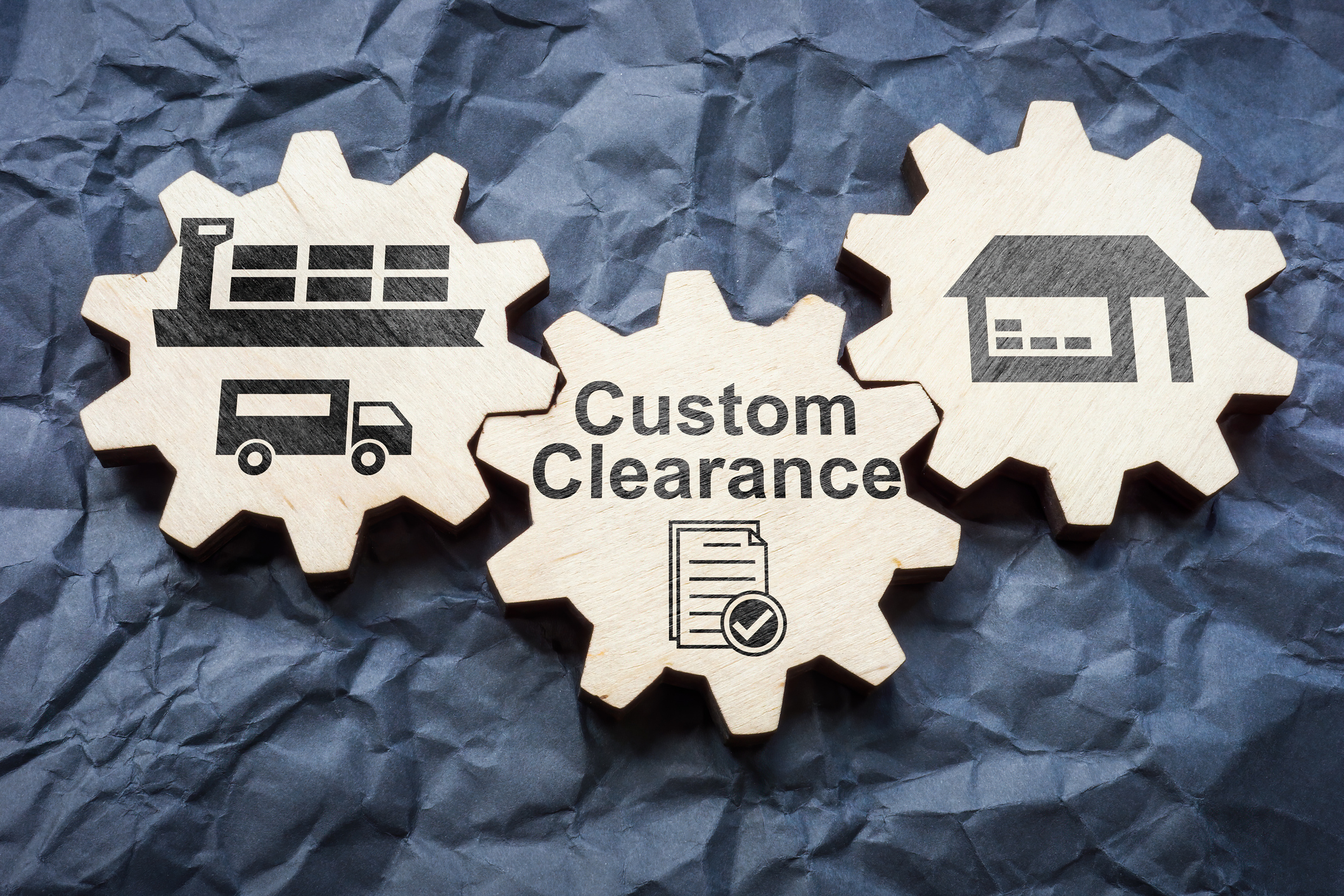
For many businesses, customs clearance is treated like a final checkpoint.
The goods are manufactured, packed, shipped, and transported across international waters or borders. Then, once the shipment arrives, customs clearance becomes the next task on the list. Documents are submitted, duties are reviewed, questions are answered, and everyone waits for the cargo to be released.
But customs clearance should not be treated as the last step in international shipping.
In reality, customs clearance can affect nearly every part of the supply chain, from delivery timelines and landed costs to inventory planning, customer satisfaction, and overall business profitability. When companies wait until the cargo arrives to think about customs, they increase the risk of delays, surprise costs, compliance issues, and missed opportunities for better logistics planning.
A smarter approach is to build customs clearance into the shipping strategy from the very beginning.
Customs Clearance Is More Than Paperwork
It is easy to think of customs clearance as a paperwork process. After all, documentation is a major part of it. Commercial invoices, packing lists, bills of lading, certificates of origin, HTS classifications, duty calculations, and import records all play a role in moving cargo across borders.
However, customs clearance is not just about submitting forms. It is about making sure a shipment is properly documented, accurately classified, legally admissible, financially accounted for, and coordinated with the right parties before it reaches a point of delay.
A mistake in one document can slow down an entire shipment. An incorrect classification can change the duty rate. A missing permit can trigger a government agency hold. An unclear product description can lead to additional review. A late payment or bond issue can prevent cargo from being released on schedule.
That is why customs clearance should be viewed as a strategic supply chain function, not a simple administrative task.
Customs Planning Helps Control Landed Costs
One of the biggest reasons customs clearance belongs in supply chain planning is cost control.
When goods are imported, the price of the product is only one part of the total cost. Businesses also need to account for freight charges, insurance, tariffs, duties, taxes, handling fees, storage fees, delivery expenses, and any additional costs related to compliance or inspections.
Together, these costs make up the landed cost of the shipment.
If duties and taxes are not estimated early, companies may be surprised by the true cost of importing their goods. This can affect pricing, margins, cash flow, and profitability. For businesses moving products on tight timelines or narrow margins, even small miscalculations can create larger financial pressure.
By including customs clearance in the planning stage, importers can better understand their expected duty rates, tariff exposure, bond requirements, and documentation needs before the shipment is already in motion.
That early visibility helps businesses make stronger decisions about sourcing, pricing, shipping methods, and delivery timelines.
Classification Impacts More Than Customs
HTS classification is one of the most important parts of customs clearance. The Harmonized Tariff Schedule code assigned to an imported product helps determine the duty rate, reporting requirements, and any special regulations that may apply.
But classification does not only affect the customs entry. It can also influence long-term business decisions.
For example, if a company imports multiple product lines, accurate classification can help compare landed costs across different goods. It can reveal which items carry higher tariffs, which products may require additional documentation, and which categories may create more compliance risk.
This information can support better sourcing decisions, supplier negotiations, and inventory planning.
On the other hand, misclassification can lead to shipment delays, unexpected duty adjustments, penalties, or future audits. Businesses that treat classification as an afterthought may expose themselves to unnecessary risk.
When classification is part of the broader supply chain strategy, businesses gain a clearer picture of both cost and compliance.
Customs Delays Can Disrupt Inventory Planning
A shipment delayed in customs does not stay isolated at the port. It can affect everything that depends on that cargo.
If a manufacturer is waiting on parts, production may slow down. If a retailer is waiting on seasonal goods, shelves may remain empty during the most important sales window. If an e-commerce brand is waiting on inventory, customers may face backorders, delayed shipments, or canceled orders.
These disruptions can damage customer trust and create avoidable stress across the business.
Customs clearance planning helps reduce that uncertainty. When documentation, classification, duties, taxes, and agency requirements are reviewed ahead of time, businesses have a better chance of keeping inventory timelines on track.
This is especially important for companies importing seasonal products, high-demand goods, trade show materials, promotional items, manufacturing components, or products tied to strict launch dates.
In those cases, customs clearance is not just about compliance. It is about protecting the timeline.
Regulated and Specialized Cargo Requires Extra Attention
Some shipments are more complicated than others.
Hazardous materials, oversized freight, high-value goods, food products, electronics, medical products, chemicals, textiles, and temporary imports may require additional documentation, permits, inspections, or coordination with government agencies.
For these shipments, customs planning becomes even more important. Waiting until cargo arrives to identify requirements can lead to preventable delays, added costs, and unnecessary confusion.
Specialized cargo often needs a more careful review before shipping begins. Importers may need to confirm product descriptions, safety documentation, agency requirements, packaging details, country-of-origin information, or special handling instructions.
A logistics partner with customs clearance experience can help identify these issues earlier and coordinate the moving pieces before they become problems.
Better Coordination Means Fewer Handoffs
International shipping already involves many different parties: suppliers, importers, exporters, carriers, freight forwarders, customs brokers, warehouses, truckers, terminals, and government agencies.
When these parties operate separately, details can fall through the cracks. One team may have the shipment documents. Another may have delivery instructions. Another may be waiting for payment confirmation. Another may not know that customs has requested clarification.
The more disconnected the process becomes, the more likely delays become.
Integrating customs clearance with freight forwarding, warehousing, drayage, and final delivery can create a smoother flow of information. Instead of reacting to problems after they happen, businesses can benefit from better visibility and stronger coordination from origin to destination.
This is where customs clearance becomes part of a larger logistics strategy.
A Proactive Customs Strategy Builds a Stronger Supply Chain
The most successful importers do not wait until a shipment is stuck to think about customs. They plan ahead.
They ask questions early. Are the documents complete? Is the product classified correctly? Are duties and taxes understood? Is a customs bond needed? Are there agency requirements? Is the shipment time-sensitive? Are there risks related to the product type, country of origin, or delivery schedule?
These questions help businesses prepare before cargo reaches the border.
Baum Shipping helps companies manage customs clearance as part of a complete logistics process. From documentation and HTS classification support to duty and tax coordination, customs bond guidance, shipment release management, and integrated freight forwarding, Baum helps businesses reduce delays and move cargo with greater confidence.
Customs clearance is not just a formality. It is a key part of supply chain performance.
When handled strategically, it can help businesses avoid delays, control costs, protect inventory timelines, and create a more reliable international shipping process from start to finish. Be sure to contact us today for more information regarding customs clearance.